In the fast paced world of texting, social media, and online forums, understanding the tone and intent behind messages can be tricky.
This is where abbreviations and phrases like “well meaning” come in.
Updated for 2026, this guide dives into what well meaning actually means in chat culture, why it’s commonly used, and how you can incorporate it naturally in your conversations without causing confusion.
Whether you’re texting friends, posting on social media, or responding in professional chats, knowing how to correctly use well meaning helps convey empathy, clarity, and positivity.
In this article, we’ll break down its definition, origin, usage examples, common mistakes, and related slangs, giving you the confidence to use it like a pro in 2026’s texting world.
What Does “Well Meaning” Mean? (Definition & Origin)
Well meaning is a phrase used to describe someone who has good intentions, even if their actions don’t always turn out perfectly. In texting, it’s often used to soften statements, show empathy, or clarify that your intentions are positive.
Origin:
- The phrase has roots in traditional English, dating back to the 16th century.
- In digital communication, it became popular in forums, Reddit threads, and social media comments where tone is hard to convey.
Key Points:
- It conveys good intentions.
- It does not necessarily guarantee perfect outcomes.
- Often used to preempt misunderstandings in digital communication.
Example in text:
“I’m just trying to help, well meaning, but I might have messed up the instructions.”
How to Use “Well Meaning” in Texts or Chat
Using well meaning in your messages is all about context. Here’s how to apply it effectively:
- Softening Criticism:
- “Your post is good, well meaning, but maybe consider adding sources.”
- Expressing Empathy:
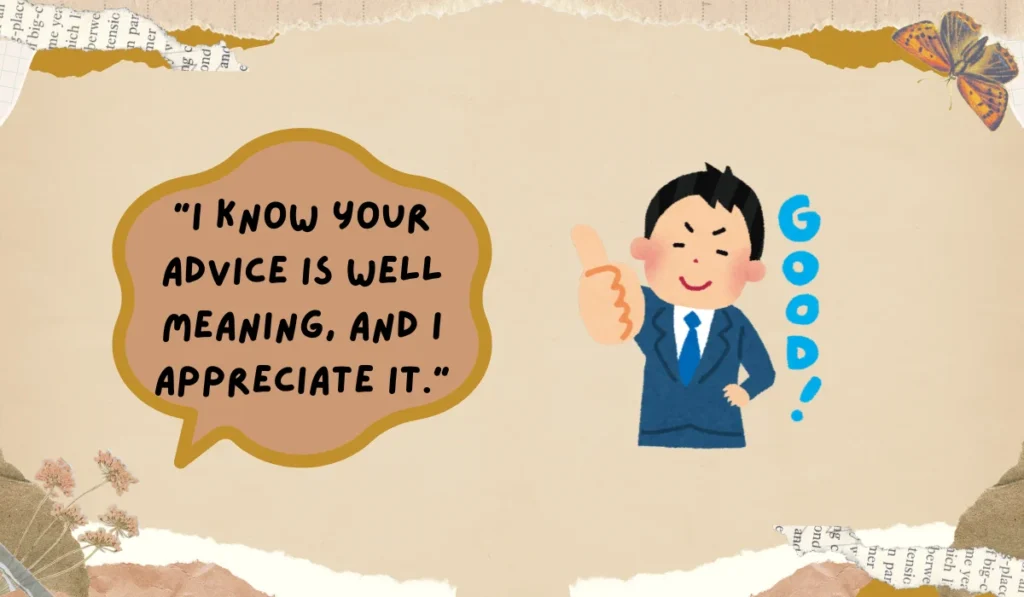
- “I know your advice is well meaning, and I appreciate it.”
- Clarifying Intentions:
- “Well meaning here: I’m only suggesting this to help, not to criticize.”
Tips for texting:
- Use it at the start, middle, or end of a sentence to signal positive intentions.
- Combine with emojis (😊, 🙏) to reinforce tone in casual chats.
- Avoid overusing it; otherwise, it may feel insincere.
Examples of “Well Meaning” in Conversations
Here are some real-life texting scenarios showing how well meaning is used:
Example 1 – Friendly Chat:
Friend 1: “I think you should try posting more memes.”
Friend 2: “Thanks, well meaning! I’ll give it a shot 😄.”
Example 2 – Workplace Chat:
Colleague 1: “I edited your report, well meaning, but double-check the figures.”
Colleague 2: “Appreciate it! I’ll review the numbers.”
Example 3 – Social Media Comment:
“Well meaning comment: I think you might want to rephrase this sentence for clarity.”
Notice how it helps maintain politeness, reduces potential conflict, and signals good intent.
Common Mistakes or Misunderstandings
Even though well meaning is straightforward, it can be misused. Avoid these common pitfalls:
- Overuse: Using it in every sentence can make it sound sarcastic or fake.
- Ambiguity: “Well meaning, but…” can be perceived as criticism if not worded carefully.
- Incorrect context: Using it sarcastically in professional settings can backfire.
- Confusing with “well-meaning”: The hyphenated version is technically correct in formal writing, but texting allows the unhyphenated well meaning for simplicity.
Related Slangs or Abbreviations
Here are some phrases and slangs that are often used in similar contexts:
- FYI (For Your Information): Often used to clarify intentions.
- IMO / IMHO (In My Opinion / In My Humble Opinion): Signals personal opinion without offense.
- No offense / Not to be rude: Prepares the recipient for potential critique.
- Good vibes / Positive energy: Casual way to indicate well-meaning intent in chats.
FAQs
Q1: Can “well meaning” be used sarcastically?
A: Yes, in casual chats it can, but sarcasm can easily be misunderstood in text since tone is hard to convey.
Q2: Is “well meaning” formal or informal?
A: It works in both, but in texting and social media, it’s more informal.
Q3: Can I shorten it to an abbreviation like WM?
A: Not commonly. Using WM may confuse your audience. Stick to the full phrase in chats.
Q4: Should I use it with friends or colleagues?
A: Both, but tailor your tone. With friends, emojis help. With colleagues, stay professional and clear.
Q5: Is it the same as “good intentioned”?
A: Yes, “well meaning” and “good intentioned” convey similar ideas, but “well meaning” is more commonly used in digital conversations.
Conclusion
Understanding well meaning is a must in 2026’s texting and online communication culture.
It helps you convey positivity, soften statements, and prevent misunderstandings.
Whether you’re chatting with friends, posting on social media, or navigating professional communication, using well meaning correctly shows emotional intelligence and clarity.
Share your favorite text abbreviation in the comments and let’s keep the conversation positive, well meaning, and fun!