Understanding the work ethic meaning has become more important than ever in 2026, especially in a world shaped by remote jobs, freelancing, AI tools, and fast changing workplace expectations.
Simply put, work ethic refers to the attitude, discipline, and values a person brings to their job or responsibilities.
It shows how seriously someone takes their tasks, how consistent they are, and how committed they remain even when no one is watching.
In modern digital culture where people communicate through chats, Slack messages, WhatsApp groups, and online forums the idea of work ethic is often discussed in both professional and casual conversations.
You might hear phrases like “he has strong work ethic” or “she lacks work ethic,” but what do they really mean in real life situations?
This guide breaks it down in a simple, human, and practical way.
What Does Work Ethic Meaning? (Definition & Origin)
The work ethic meaning refers to a set of moral principles and attitudes that guide how a person approaches work. It includes discipline, responsibility, honesty, dedication, and consistency.
Simple Definition:
Work ethic = How seriously and responsibly you do your work.
Key Elements of Work Ethic:
- Discipline in completing tasks
- Punctuality and time management
- Responsibility for actions
- Commitment to quality work
- Professional attitude
Origin of the Concept:
The idea of work ethic dates back to early philosophical and religious teachings, especially the “Protestant work ethic,” which emphasized hard work, diligence, and success through effort. Over time, it evolved into a universal workplace value used in every industry today.
In 2026, work ethic is not just about physical office jobs—it applies to:
- Remote workers
- Freelancers
- Content creators
- Students
- Gig workers (like delivery or ride services)
How to Use “Work Ethic” in Texts or Chat
Even though work ethic meaning is more formal, it is commonly used in chats, workplace messages, and social media discussions.
Common Usage Contexts:
- Professional feedback on Slack or email
- Job interviews or HR discussions
- Online reviews or recommendations
- Casual conversations about someone’s behavior
Example Usage in Chat:
- “She has a strong work ethic, always delivers on time.”
- “His work ethic is questionable, he keeps missing deadlines.”
- “I admire your work ethic, you never give up.”
Modern 2026 Chat Style:
In today’s texting culture, people often shorten or simplify sentences:
- “Bro’s work ethic is insane 🔥”
- “Need that level of work ethic fr”
- “No work ethic = no results”
Examples of Work Ethic in Conversations
Understanding work ethic meaning becomes easier when you see it in real-life dialogue.
Example 1: Workplace Chat
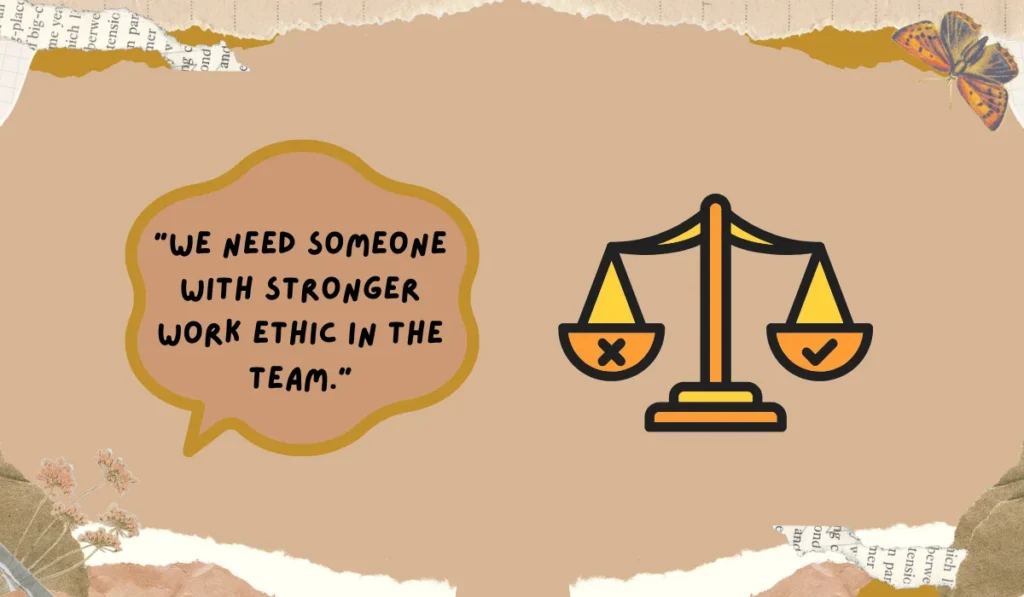
Manager: “Why did the project delay?”
Employee A: “We need someone with stronger work ethic in the team.”
Example 2: Friend Conversation
Friend 1: “How is she doing in her job?”
Friend 2: “Honestly, her work ethic is amazing. She never complains.”
Example 3: Social Media Comment
“Hard work + consistency = strong work ethic 💯”
Example 4: Freelancing Platform Review
“This freelancer has excellent work ethic. Delivered before deadline!”
Common Mistakes or Misunderstandings
Many people confuse work ethic meaning with intelligence or talent, but they are not the same.
Mistake 1: Thinking Work Ethic = Skill
- Wrong: “He has skills, so he has good work ethic.”
- Truth: Work ethic is about effort, not talent.
Mistake 2: Assuming Work Ethic is Always Visible
Some people work quietly but still have strong work ethic.
Mistake 3: Overworking = Good Work Ethic
Working too much without balance is not always healthy work ethic.
Mistake 4: Judging Based on One Task
Work ethic should be judged over time, not a single incident.
Related Slangs or Abbreviations
While work ethic meaning is not a slang term itself, it often appears in modern digital expressions:
Related Terms:
- Hustle culture
- Grind mindset
- Hard worker
- Self-starter
- Go-getter
Internet Style Variations:
- “grind mode on”
- “no excuses mindset”
- “built different work ethic”
- “locked in”
These phrases are widely used in TikTok, Instagram captions, and Discord chats in 2026.
Why Work Ethic Matters in 2026
Work ethic is now one of the most valued soft skills in digital workplaces.
Why it matters:
- Remote work requires self-discipline
- AI tools still need human responsibility
- Freelancers compete globally
- Employers value reliability over resumes
A strong work ethic often matters more than qualifications because it shows long-term potential.
How to Improve Your Work Ethic
If you want to build a stronger work ethic, try these simple habits:
- Set daily goals and stick to them
- Avoid procrastination
- Finish tasks before deadlines
- Take responsibility for mistakes
- Stay consistent even when motivation drops
Small improvements lead to long-term success.
FAQs
1. What is the simple meaning of work ethic?
Work ethic means your attitude toward work, including discipline, responsibility, and dedication.
2. Is work ethic a skill or personality trait?
It is mainly a personality trait but can be improved with habits and discipline.
3. Why is work ethic important?
It helps you become reliable, productive, and successful in any job or career.
4. Can someone improve their work ethic?
Yes, by building habits like punctuality, consistency, and responsibility.
5. What is poor work ethic?
Poor work ethic includes laziness, procrastination, lack of responsibility, and ignoring deadlines.
Conclusion
The work ethic meaning goes far beyond just working hard it reflects your mindset, discipline, and consistency in everything you do.
In 2026, where remote jobs and digital careers dominate, having a strong work ethic is one of the biggest factors for success.
Whether you’re a student, freelancer, or professional, your work ethic defines your reputation and growth potential. It builds trust, improves performance, and opens opportunities in every field.
If you found this guide helpful, share your favorite text abbreviation or workplace term in the comments and keep learning modern language trends.