Understanding the attitude meaning in modern communication is more important than ever in 2026, especially with the rise of texting, social media slang, and short form digital conversations.
The word attitude is used constantly across WhatsApp chats, Instagram comments, Snapchat stories, TikTok captions, and even professional messages but its meaning can shift depending on tone, context, and intent.
In simple terms, attitude meaning refers to the way a person expresses their feelings, mindset, or behavior toward something or someone.
It can be positive (confidence, boldness, self respect) or negative (rudeness, arrogance, or stubbornness).
In online conversations, the word is often used casually, sometimes even playfully, to describe someone’s vibe or reaction.
For example, when someone says “She has attitude”, it might mean she is confident and independent or it could mean she is being slightly rude depending on context.
What Does “Attitude Meaning” Mean? (Definition & Origin)
Basic Definition of Attitude
The attitude meaning refers to a person’s mental outlook, behavior, or emotional response toward a situation, person, or idea. It reflects how someone expresses themselves emotionally or mentally.
In texting and social media, it often describes:
- Confidence or bold personality
- Slight arrogance or rudeness
- Strong self-expression
- “Don’t care” or bold vibe
Origin of the Word “Attitude”
The word attitude comes from the Latin word aptitudo, meaning “fitness or position.” Over time, it evolved to represent mental positioning or emotional stance.
In modern digital culture, especially in 2026, the meaning has expanded beyond psychology into everyday slang used in:
- Instagram captions
- TikTok comments
- WhatsApp chats
- Twitter/X replies
How “Attitude Meaning” Is Used in Texts or Chat
In texting culture, attitude is often used to describe someone’s personality or response style. The tone changes based on emojis, punctuation, and context.
Common Uses in Chat
Here’s how people use it in everyday messaging:
- “She has so much attitude 😏” → confident or slightly rude vibe
- “Don’t show attitude” → stop being disrespectful
- “I like your attitude” → positive confidence
- “Why the attitude?” → questioning rude behavior
Positive vs Negative Attitude in Texting
Positive Attitude
- Confidence
- Self-respect
- Bold personality
- Strong opinions
Example:
“I love her attitude, she never lets anyone disrespect her.”
Negative Attitude
- Rudeness
- Ego issues
- Sarcastic tone
- Disrespectful replies
Example:
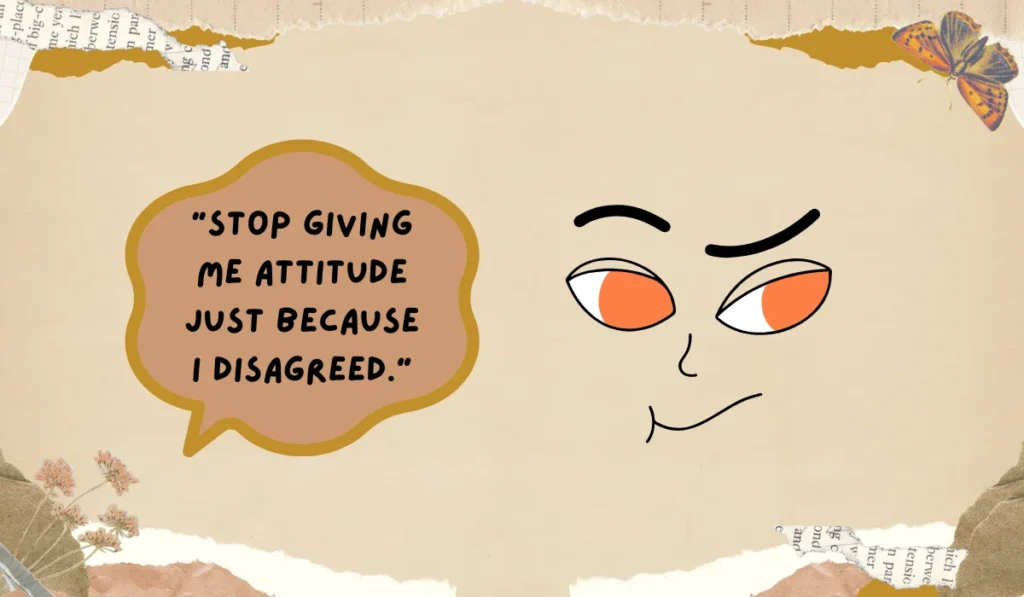
“Stop giving me attitude just because I disagreed.”
Examples of “Attitude Meaning” in Conversations
Understanding real-life examples helps you use the word correctly in chats.
Example 1: Friendly Chat
A: “I’m not doing that.”
B: “Haha, such attitude today 😂”
👉 Meaning: playful teasing about bold behavior
Example 2: Argument Situation
A: “You never listen to me!”
B: “Don’t start with attitude again.”
👉 Meaning: accusing someone of being rude or defensive
Example 3: Compliment
A: “I handled that situation confidently.”
B: “That’s the attitude!”
👉 Meaning: praising confidence and self-control
Example 4: Social Media Caption
- “Too much attitude to care 😎”
- “My attitude speaks before I do”
👉 Meaning: self-confidence and personality expression
Common Mistakes or Misunderstandings
Many people misunderstand the attitude meaning in digital communication because tone is hard to detect in text.
1. Confusing Confidence with Rudeness
Someone saying “you have attitude” may not always be negative. It could simply mean confidence.
2. Misreading Tone in Messages
Without emojis or context, “attitude” can feel offensive when it’s not intended that way.
3. Overusing the Word
Using “attitude” in every conversation can make communication sound repetitive or judgmental.
4. Cultural Differences
In some cultures, “attitude” is seen more negatively than in others, especially in formal settings.
Related Slang or Similar Expressions
If you’re learning attitude meaning, it helps to understand similar slang words used in chats:
1. Vibe
- Means overall mood or energy
- Example: “She has a good vibe”
2. Aura
- Personal energy or presence
- Example: “He has strong aura”
3. Savage
- Bold, unapologetic behavior
- Example: “That reply was savage”
4. Sassy
- Confident with a bit of attitude
- Example: “She’s so sassy 😂”
5. Mood
- Emotional state or reaction
- Example: “That’s a whole mood”
How to Use “Attitude” Correctly in Texts
Using the word correctly depends on tone and situation. Here are simple guidelines:
When to Use It Positively
- Complimenting confidence
- Appreciating boldness
- Admiring personality
Example:
“I respect your attitude, you stay firm.”
When to Use It Carefully
- During arguments
- When emotions are high
- In formal conversations
When Not to Use It
- Professional emails
- Sensitive discussions
- When tone may be misunderstood
Why “Attitude Meaning” Matters in 2026 Digital Culture
In 2026, communication is faster, shorter, and more expressive. Words like attitude carry emotional weight because:
- People rely on short messages
- Emojis replace tone of voice
- Social media amplifies personality expression
Understanding attitude meaning helps you:
- Avoid misunderstandings
- Respond better in chats
- Understand online personalities
- Improve digital communication skills
FAQs
1. What does attitude mean in texting?
In texting, attitude refers to someone’s behavior or tone, often showing confidence, rudeness, or bold personality depending on context.
2. Is having attitude good or bad?
It depends. Positive attitude means confidence and self-respect, while negative attitude means rudeness or arrogance.
3. Why do people say “you have attitude”?
It usually means the person is acting bold, confident, or slightly disrespectful depending on the situation.
4. Is attitude a slang word?
No, “attitude” is not slang, but it is commonly used in slang-like ways in texting and social media.
5. How do I respond to “don’t give me attitude”?
You can calmly clarify your tone or apologize if needed, or explain your message was not meant to be rude.
6. What is positive attitude in chat?
It means confidence, strong personality, and respectful self-expression in conversations.
Conclusion
The attitude meaning in modern communication goes far beyond its dictionary definition.
In 2026 digital culture, it represents personality, tone, confidence, and emotional expression in everyday chats and social media conversations.
Depending on context, it can be positive (confidence and strength) or negative (rudeness or arrogance), which makes understanding it essential for clear communication.
Now that you fully understand the attitude meaning, how do you use it in your daily chats?
👉 Share your favorite text abbreviation or slang in the comments!