The phrase “no taxation without representation meaning” is one of the most powerful political expressions in history, and it still appears frequently in modern conversations, classrooms, memes, and even social media debates in 2026.
At its core, this phrase reflects a simple but deeply important idea: people should not be forced to pay taxes to a government unless they have a voice or representation in how that government makes decisions.
While it originates from historical events, especially the American Revolution, its meaning continues to resonate in today’s discussions about fairness, democracy, and civic rights.
In modern texting and online chat culture, you may also see this phrase used jokingly, sarcastically, or in political commentary when people feel unheard or unfairly treated.
In this guide, we’ll break down its origin, real meaning, usage examples, and how people use it in 2026 online discussions in a simple, human-friendly way.
What Does “No Taxation Without Representation Meaning” Actually Mean?
The phrase “no taxation without representation” means that citizens should not be required to pay taxes unless they have elected representatives who can speak and vote on their behalf in government decisions.
Historical Origin (Why It Exists)
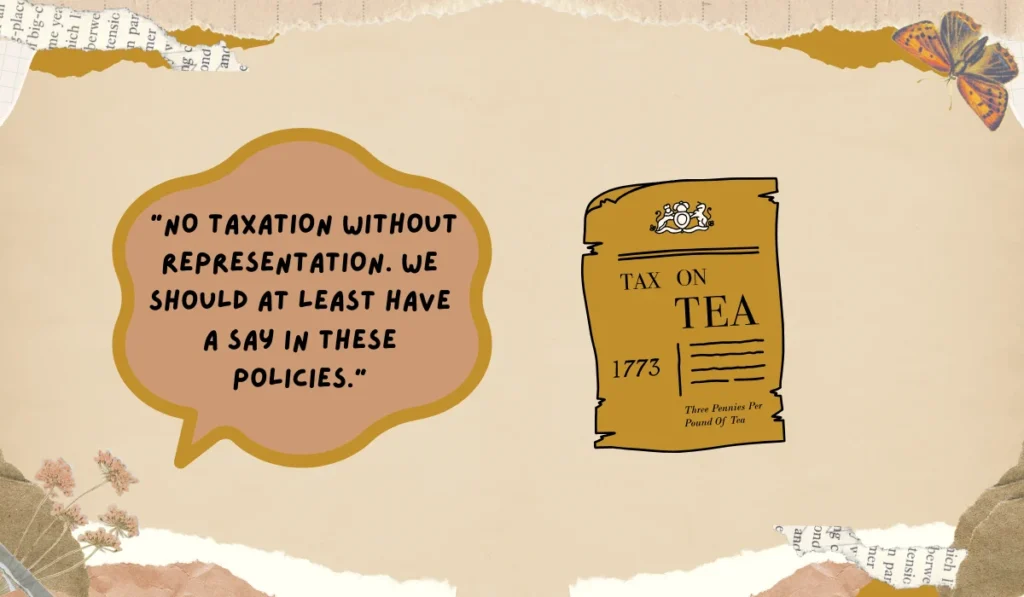
This phrase became famous during the 18th century, especially in the lead-up to the American Revolution. The American colonists were being taxed by the British government, but they had no representatives in the British Parliament. This created anger and resistance because they believed taxation without political voice was unfair.
Key idea:
- Taxes = money paid to the government
- Representation = having a voice in decision-making
- Without representation = no fair participation
So the phrase became a protest slogan demanding fairness and democratic rights.
Why This Phrase Still Matters in 2026
Even though it is centuries old, the no taxation without representation meaning still applies in modern discussions about fairness and governance.
Modern relevance includes:
- Tax fairness debates
- Voting rights discussions
- Government accountability issues
- Social media political movements
In 2026, people also use it metaphorically online when they feel:
- Ignored by leadership
- Overcharged or unfairly treated
- Excluded from decision-making processes
How to Use “No Taxation Without Representation” in Modern Conversations
While this is not a texting abbreviation, it is often used in modern digital communication as a strong statement.
Common usage contexts:
- Political discussions on X (Twitter), Reddit, Facebook
- School assignments or debates
- Protest slogans
- Memes or sarcastic comments
Example usage:
- “They keep increasing subscription fees without asking users… no taxation without representation!”
- “We’re expected to follow rules we didn’t vote for—no taxation without representation.”
It’s often used seriously, but sometimes humorously in online arguments.
Examples of “No Taxation Without Representation” in Conversations
Example 1: Social Media Debate
User A: “Why are taxes on digital services increasing again?”
User B: “No taxation without representation. We should at least have a say in these policies.”
Example 2: Student Discussion
Student 1: “Our school raised fees without asking students.”
Student 2: “Feels like no taxation without representation situation here.”
Example 3: Online Meme Context
Caption under meme:
“When subscription prices go up again but you didn’t agree to it… no taxation without representation 😂”
Common Mistakes or Misunderstandings
Many people misunderstand the phrase or misuse it in unrelated contexts.
Mistake 1: Thinking it is a modern slang term
It is NOT internet slang or a chat abbreviation. It is a historical political slogan.
Mistake 2: Using it for any complaint
Not every unfair situation qualifies. It specifically relates to taxation and representation.
Mistake 3: Ignoring its seriousness
Even when used humorously online, it has deep historical and democratic meaning.
Related Terms and Similar Phrases
Understanding similar expressions helps you better grasp the concept.
Related political phrases:
- “Consent of the governed”
- “Democracy and representation”
- “Citizen participation”
- “Voting rights matter”
Modern internet variations:
- “Paying for something I didn’t agree to” (informal meme usage)
- “We didn’t vote for this” (common online expression)
- “Let us have a say” (general political sentiment)
How People Use It Online in 2026
In 2026 digital culture, the phrase is often:
- Used in comment sections during political debates
- Turned into memes about subscriptions, taxes, or fees
- Shared in educational TikTok or YouTube Shorts content
- Referenced in Reddit discussions about fairness
Even though it’s serious in origin, internet users often adapt it creatively.
FAQs
1. What is the simple meaning of no taxation without representation?
It means people should not be forced to pay taxes if they do not have representatives in government who can make decisions for them.
2. Is “no taxation without representation” a slang term?
No, it is not slang. It is a historical political slogan from the American Revolution.
3. Where did the phrase originate?
It originated in the 18th century during conflicts between American colonists and the British government.
4. How is it used today?
It is used in political discussions, education, and sometimes humorously in online memes about unfair charges or decisions.
5. Can I use it in texting?
Yes, but usually in a joking or expressive way when talking about unfair payments or rules.
6. Why is it still relevant in 2026?
Because issues of taxation, fairness, and representation still exist in modern governments and digital systems.
Conclusion
The no taxation without representation meaning is more than just a historical slogan it is a foundational idea about fairness, rights, and democratic participation.
Originally used during the American Revolution, it highlighted the demand for citizens to have a voice in government decisions, especially when being taxed.
Today in 2026, the phrase still appears in political discussions, educational content, and even humorous online memes where people feel excluded from decision making.
Share your favorite text or political expression in the comments.