In today’s fast moving digital world, texting slang and chat abbreviations change almost every year, and one term that often confuses users is “dis meaning” in messages and online conversations.
If you’ve ever seen someone type “he just dissed me” or “don’t dis me like that,” you might wonder what “dis” actually means and how it’s used correctly.
In simple terms, “dis” is a casual slang word derived from “disrespect” or “diss,” and it is commonly used in texting, social media, gaming chats, and meme culture to describe insulting, mocking, or showing disrespect toward someone.
Understanding dis meaning in text is important because modern communication is heavily influenced by internet slang, especially on platforms like TikTok, Instagram, Snapchat, and Discord.
Without knowing these expressions, it’s easy to misinterpret tone or intent in conversations. Sometimes “dis” can sound playful among friends, while other times it can be offensive depending on context.
What Does “Dis” Mean in Text? (Definition & Origin)
The dis meaning in text comes from the word “diss,” which is a shortened form of “disrespect.” It is commonly used to describe insulting, mocking, or speaking negatively about someone.
Basic Definition:
- Dis / Diss = To insult or show disrespect toward someone
For example:
- “He dissed my outfit” = He insulted my outfit
- “Don’t dis her like that” = Don’t disrespect her like that
Origin of “Dis”
The slang “diss” originally became popular in African-American Vernacular English (AAVE) and hip-hop culture during the 1980s and 1990s. Rappers often used “diss” in “diss tracks,” which were songs created to criticize or insult other artists.
Over time, the word spread into mainstream internet culture and eventually became shortened further into “dis” in casual texting and online chat.
Today in 2026, “dis” is widely used across:
- Social media platforms (TikTok, Instagram, X)
- Gaming chats (Discord, Fortnite, Roblox)
- Everyday texting among friends
How to Use “Dis” in Texts or Chat
Using dis meaning in text correctly depends on tone and context. It is mostly informal and should not be used in professional communication.
Common Usage Forms:
- As a verb (action):
- “Why are you dissing me?”
- As slang for insult:
- “That was a total dis.”
- In past tense:
- “He dissed her in front of everyone.”
Where It’s Commonly Used:
- Casual texting between friends
- Social media comments
- Meme captions
- Gaming chats
- Rap battles or music discussions
Tone Matters
- Playful: Among friends joking around
- Serious: When someone feels insulted
- Aggressive: In arguments or online drama
👉 Always be careful because “dis” can sound rude depending on the situation.
Examples of “Dis” in Conversations
Here are real-life style examples to help you fully understand dis meaning in text:
1. Friendly Banter
A: “You always lose in this game 😂”
B: “Stop dissing me bro!”
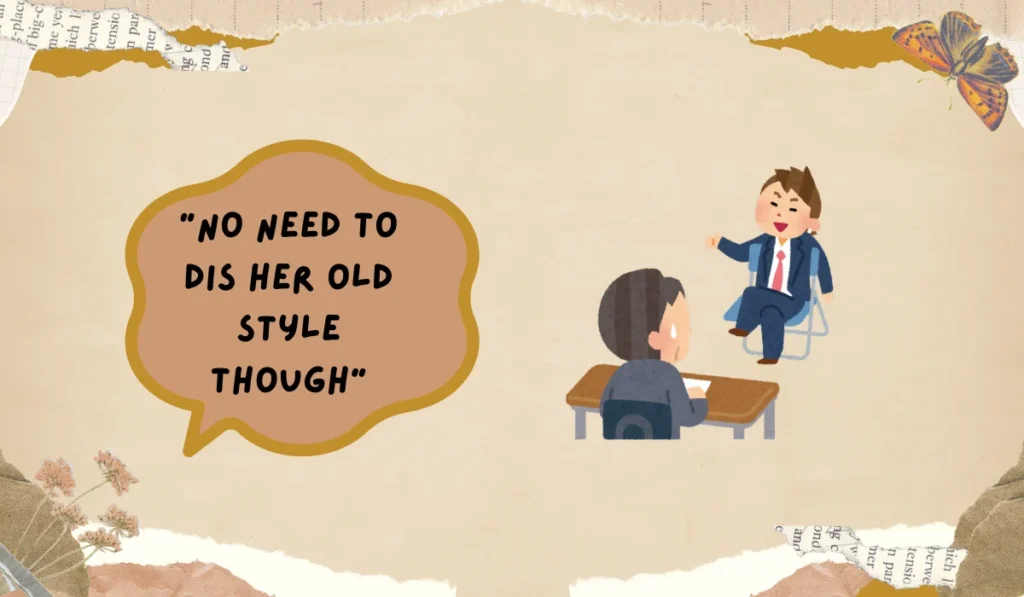
2. Social Media Comment
User 1: “That outfit is fire 🔥”
User 2: “No need to dis her old style though”
3. Gaming Chat
Player1: “You missed that easy shot”
Player2: “Don’t dis, I was lagging!”
4. Argument Scenario
A: “Your idea makes no sense.”
B: “Wow, why you gotta dis me like that?”
5. Meme Culture
Caption: “When your friend disses your cooking but still eats it 😭”
These examples show how flexible the slang is depending on tone and platform.
Common Mistakes or Misunderstandings
Many people misunderstand dis meaning in text, especially non-native English speakers.
1. Thinking “dis” means “this”
Some users confuse “dis” with “this” due to pronunciation. However:
- “Dis” = disrespect
- “Dis” ≠ “this”
2. Using it in formal communication
Avoid using “dis” in:
- Emails
- Work messages
- Academic writing
3. Not understanding tone
The same sentence can be:
- Funny between friends
- Offensive in serious situations
4. Overusing it
Using slang too often can make messages unclear or immature in professional spaces.
Related Slangs or Abbreviations
To better understand dis meaning in text, here are related slang terms:
1. Diss
The original form of “dis,” meaning insult or criticize.
2. Roast
To joke or mock someone humorously.
- “They roasted him in the group chat.”
3. Clapback
A strong response to an insult.
- “She gave a perfect clapback after the diss.”
4. Shade
Indirect insult or subtle disrespect.
- “She threw shade at her ex.”
5. Savage
Someone who delivers bold or ruthless insults.
- “That reply was savage!”
6. Drag
To heavily criticize someone online.
- “The internet dragged him for that comment.”
These slang terms often appear together in modern internet culture.
How “Dis” Is Used in 2026 Internet Culture
In 2026, slang evolves faster than ever due to TikTok trends, memes, and AI-generated content. The word “dis” is now commonly used in:
- Short-form videos (TikTok captions)
- Reaction memes
- Gaming live chats
- Comment section banter
Example trending usage:
- “Bro dissed himself in that video 😂”
- “Why is everyone dissing this new update?”
The tone today is often humorous, but it still carries its original meaning of disrespect.
FAQs
1. What does dis mean in texting?
“Dis” is slang for “disrespect” or “diss,” meaning to insult or mock someone in a casual way.
2. Is dis a bad word?
Not exactly. It’s informal slang, but it can be rude depending on how it’s used.
3. Is dis the same as this?
No. “Dis” means disrespect, while “this” is a demonstrative word.
4. Where is dis commonly used?
It is mostly used in texting, social media, gaming chats, and meme culture.
5. Can I use dis in formal writing?
No. It is strictly informal and should be avoided in professional or academic contexts.
6. What is the difference between dis and diss?
Both mean the same thing, but “diss” is the original spelling, while “dis” is a more casual, shortened version used online.
7. Why do people use dis instead of disrespect?
Because slang is faster, shorter, and more common in online communication.
Conclusion
Understanding dis meaning in text helps you navigate modern digital conversations more confidently.
In simple terms, “dis” is slang for disrespect or insulting someone, and it is widely used in casual chats, social media, and gaming culture.
While it often appears in playful conversations, it can also carry a negative tone depending on context.
Share your favorite text abbreviation in the comments!